Quick Reference Guide
Relays
A relay lets one circuit control another circuit — usually a low-voltage circuit controlling a high-voltage circuit — without the two circuits directly touching each other.
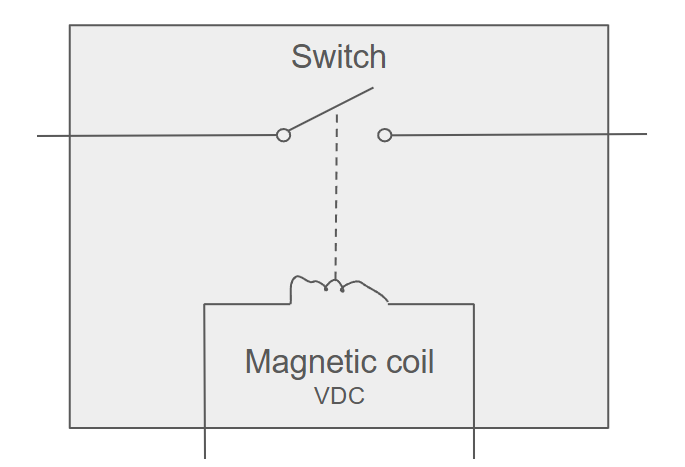
Control side: You send a small electrical signal to the relay coil.
Magnetism happens: The coil becomes an electromagnet.
It pulls a switch closed: Inside the relay, this magnet pulls a little metal arm to connect two contacts.
Power flows through the other side: That closes the circuit on the high-voltage or high-current side.
When you stop sending the control signal, the magnet turns off, the switch opens, and power stops flowing.
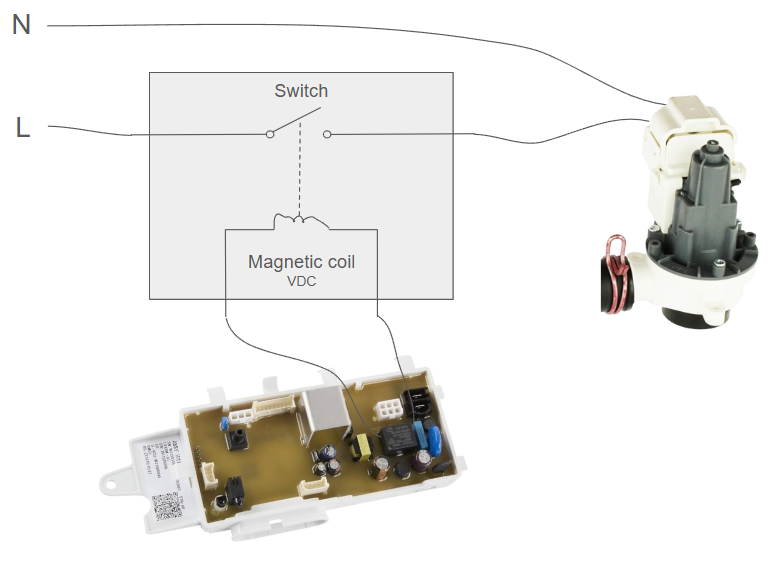
If we were to visually simplify how a relay on a control board works, it would look something like this: